Ownership
Winter tires in Ontario: what the rules say and what actually matters
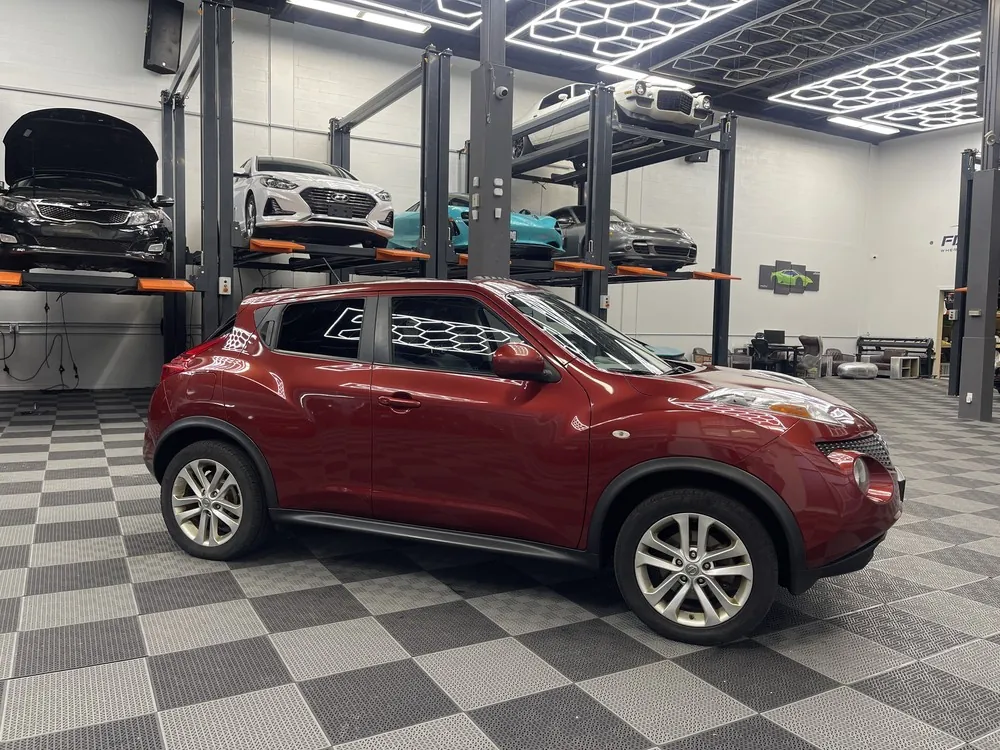
Ontario doesn't make winter tires mandatory, but GTA winters make a strong case for them. Slush on the 400, black ice on side streets and freezing mornings in Vaughan from November on are exactly what they're designed for. Here's what Ontario law says, how the insurance discount works and how to get the most out of a set.
Short answer: Winter tires aren't legally required in Ontario, but every auto insurer has to offer a discount if you put them on. Look for the three-peak mountain snowflake symbol, not just "M+S". Put them on once temperatures stay around or below 7°C, keep at least 4 mm of tread, and ask your insurer in writing whether all-weather tires count.
What Ontario law actually requires
Winter tires are not required by law in Ontario. The MTO Driver's Handbook says so plainly. What Ontario does regulate:
- The insurance discount. Since 2016, a provincial regulation has required auto insurers to offer a discount to drivers whose cars have winter tires. The Financial Services Regulatory Authority of Ontario (FSRA) puts it this way: all insurance companies must offer it, so ask your insurer how to qualify.
- Studded tires. According to the province's winter driving page, studded tires are allowed on vehicles registered in Northern Ontario. They are not allowed in Southern Ontario unless you're visiting from out of province or you live in Northern Ontario. If your car is registered in Vaughan, Toronto or anywhere else in the GTA, studs are out, and a good studless winter tire is the answer.
The province also says to install a full set of four and never mix different types of tires on one vehicle. Two winters on the front of a front-wheel-drive car can make the rear end step out under braking.
Snowflake symbol vs M+S
Look at the sidewall for two markings:
- Three-peak mountain snowflake (3PMS). A mountain outline with a snowflake inside. Transport Canada says tires with this symbol meet specific snow traction requirements. Every true winter tire has it.
- M+S (mud and snow). This marking is based on tread design, and you'll find it on plenty of all-season tires. It isn't the same as the snowflake symbol, and on its own it doesn't make a tire a winter tire.
All-weather tires are a third category. They carry the snowflake symbol but are built to stay on year-round. They're a real compromise: better than all-seasons in snow and cold, but usually not as good as a dedicated winter tire on ice. They can make sense for drivers who mostly stick to plowed city roads and have nowhere to store a second set.
The 7°C rule of thumb
Transport Canada explains that below 7°C, all-season and summer tires start to lose elasticity, which means less traction. Winter tires use a softer compound that stays flexible and grippy at much lower temperatures. That's why snow isn't the trigger. A dry, frosty morning at -5°C is where winter rubber already beats all-seasons, especially when braking.
The same logic works in spring. Once temperatures stay above 7°C, winter tires wear faster and feel vaguer, so it's time to switch back.
When to swap in the GTA
Use the temperature, not the calendar, but book early. When daytime highs start sitting in the single digits, the first snow forecast follows soon after, and tire shops across the GTA fill up fast. An appointment booked a couple of weeks ahead beats waiting in a line the day after the first storm.
If you're claiming the insurance discount, check your policy for dates. Insurers set their own rules about when winter tires have to be on the car and how long they have to stay on, and those dates aren't the same across companies. Ask your insurer before you book the swap.
Does the insurance discount cover all-weather tires?
It depends on the insurer. The regulation requires every insurer to offer a winter tire discount, but FSRA's guidance is simply to ask your insurer how to qualify. Some insurers accept all-weather tires with the snowflake symbol, and others want a dedicated set of winter tires. Before you buy all-weathers for the discount, get your insurer's answer in writing. A discount you thought you had is a bad surprise after a claim. FSRA's auto insurance page has more on shopping for coverage.
Tread depth: how much is enough
A winter tire's grip comes from deep tread and the sipes cut into it. As the tread wears, the tire acts more like an all-season.
- 4 mm: Transport Canada says not to use tires with less than 4 mm of tread in winter conditions.
- 2 mm: some tires have wear indicators at this depth. Below it, Ontario's safety inspection standard fails a tire outright.
New winter tires start well above 4 mm, so a set has a useful life in between. A tread depth gauge is cheap. Measure each tire in a few spots every fall before you put them back on.
Check the age as well. The last four digits of the DOT code on the sidewall are the week and year the tire was made, so "4521" means week 45 of 2021. Rubber hardens with age even when there's tread left, and that hurts winter grip.
Storage that keeps them working
- Clean them before storing to get road salt and brake dust off the tire and the wheel.
- Mark the position (FL, FR, RL, RR) with chalk so you can rotate them next season.
- Keep them cool, dry and out of sunlight, away from furnaces, space heaters and other heat sources.
- Use tire bags or a rack so they're off a damp floor and not buried under other gear.
- No space? Many tire shops and dealerships offer seasonal storage for a fee, which is handy in a condo.
When you swap them back on, check the pressure with the tires cold. Transport Canada notes that pressure drops in the cold, enough to leave a tire under-inflated if you set it in a warm garage.
Buying a used car with, or without, a second set
A used car that comes with a set of winter tires on their own wheels is worth more to you than the price tag shows. Here's how to judge it:
- On wheels or loose? Tires already mounted on their own rims mean cheaper, faster swaps twice a year, with no remounting and no risk to the alloys. Steel wheels for winter are common and practical.
- Check tread and age on the spare set the same way you would on the tires on the car. Old or worn winters can be a cost rather than a bonus.
- Confirm the size matches what the vehicle's door placard specifies.
- TPMS. Many cars have tire pressure sensors in each wheel. If the winter wheels don't have sensors, you may live with a warning light all winter. Canada doesn't require TPMS, and the safety inspection only records the warning light rather than failing the car, but it's still worth knowing before you buy.
If the car comes with only one set, include a winter package in your budget. When you're comparing SUVs against sedans, remember that smaller wheels usually mean cheaper winter tires. See used SUVs in Vaughan and used sedans to compare tire sizes.
All-wheel drive helps you get moving, but it doesn't help you stop or turn. An AWD car on all-seasons still brakes like any other car on all-seasons, so winter tires matter just as much on an AWD SUV.
Common questions
Are winter tires mandatory in Ontario?
No. Ontario doesn't require winter or all-weather tires by law. Insurers must offer a discount if you use winter tires, though, and Transport Canada recommends them for cold, snowy or icy driving.
Can I use studded tires in Toronto or Vaughan?
Generally no. Studded tires are allowed on vehicles registered in Northern Ontario, but not in Southern Ontario, unless you live in Northern Ontario or are visiting from out of province.
Do all-weather tires qualify for the winter tire insurance discount?
It depends on the insurer. Some accept all-weather tires that carry the three-peak mountain snowflake symbol, and others require dedicated winter tires. Ask your insurer and get the answer in writing before you buy.
When should I put winter tires on in the GTA?
Once temperatures are consistently around or below 7°C, which is when all-season rubber starts losing grip. Book before the first snow forecast, and check any date requirements in your insurance policy.
How much tread should winter tires have?
Transport Canada advises against using tires with less than 4 mm of tread in winter conditions. A tire under 2 mm fails Ontario's safety inspection.
Your next step
Shopping for a car before the snow arrives? Ask whether a second set of tires comes with it, and include winter tires in your budget if not. Flat 6ix Club's indoor showroom at 190 Millway Ave in Vaughan lets you look a car over in comfort even in January. Browse the inventory first, or check cars under $10,000 if you want room in the budget for a winter set.