Buying
How to buy a used car in Ontario, step by step
Buying a used car in Ontario comes down to a handful of steps done in the right order: set a real budget, check the car's past, inspect and drive it, then get the paperwork and insurance sorted before you take the keys. Skip one and you can end up with a car you can't plate, a lien you didn't know about, or a tax bill you didn't plan for. Here is the full checklist, for dealer and private purchases alike.
Short answer: Budget for the price plus 13% tax, licensing, insurance and early maintenance. Check the history report and liens, get an independent inspection and a proper test drive, confirm a valid Safety Standards Certificate, and have insurance in place before you register. Private buyers must register at ServiceOntario within 6 days; a dealer normally handles registration for you.
Step 1: Build a budget that includes tax and insurance
The advertised price is never the final number. Build your budget from these pieces:
- Tax. Ontario charges 13%. At a dealer it's HST on the bill of sale. In a private sale you pay 13% retail sales tax at ServiceOntario when you register, calculated on the purchase price or the vehicle's wholesale value, whichever is greater.
- Licensing. Registration and plates. A dealer may quote these on top of the advertised price, but nearly every other fee must already be included (more on that in our guide to all-in pricing in Ontario).
- Insurance. Get quotes on the exact year, make, model and trim before you commit. Two cars at the same price can carry very different premiums.
- Early maintenance. Keep a cushion for tires, brakes, fluids or a battery. A used car that needs nothing in its first year is a bonus, not a plan.
- Borrowing cost. If you're financing, compare the total cost over the term, not just the payment. A longer term lowers the payment but raises the total.
A quick example: an $18,000 car at a dealer comes to $20,340 with HST, before licensing and insurance. Know that number before you start shopping.
Step 2: Research the car, not just the model
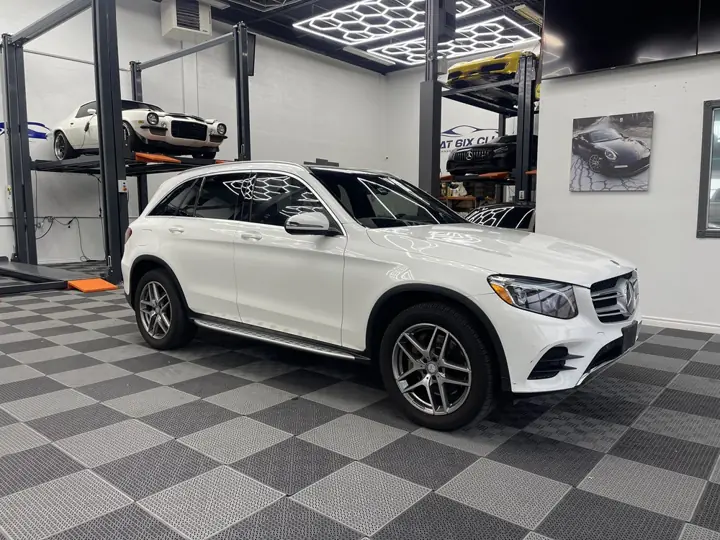
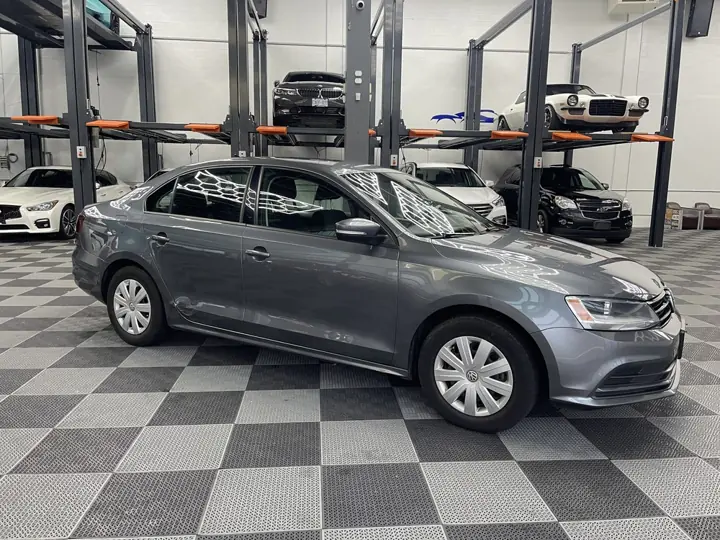
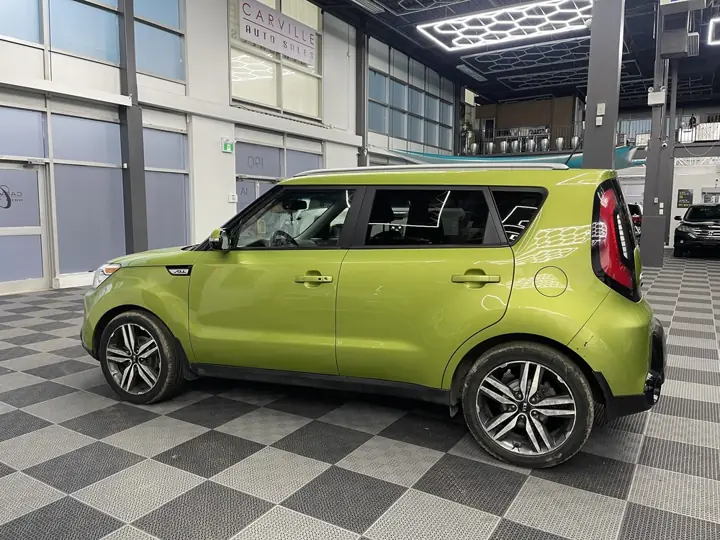
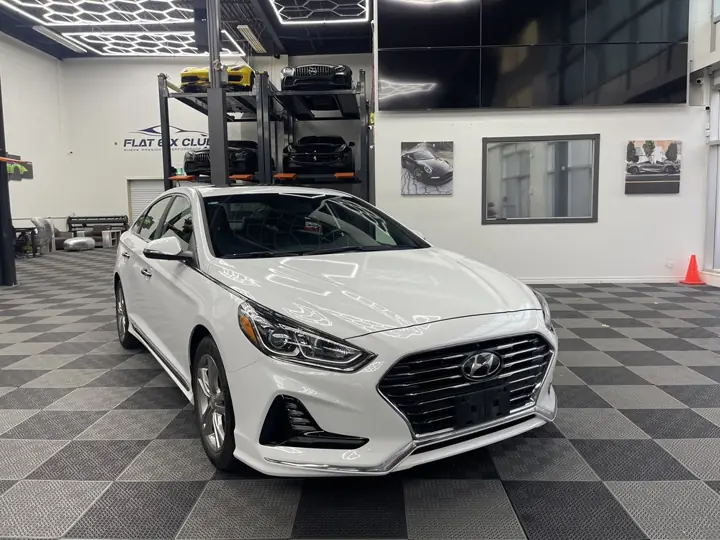
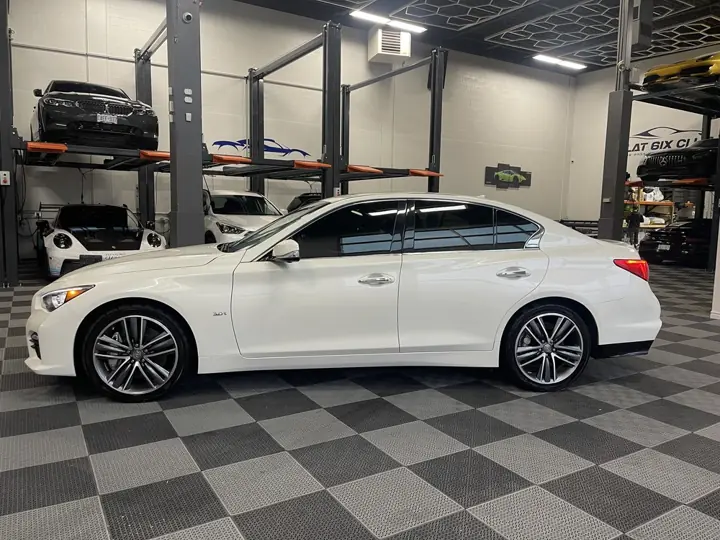
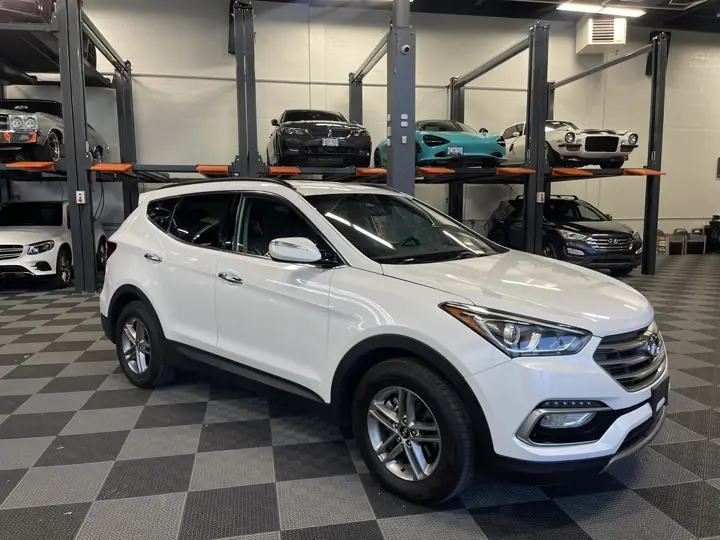
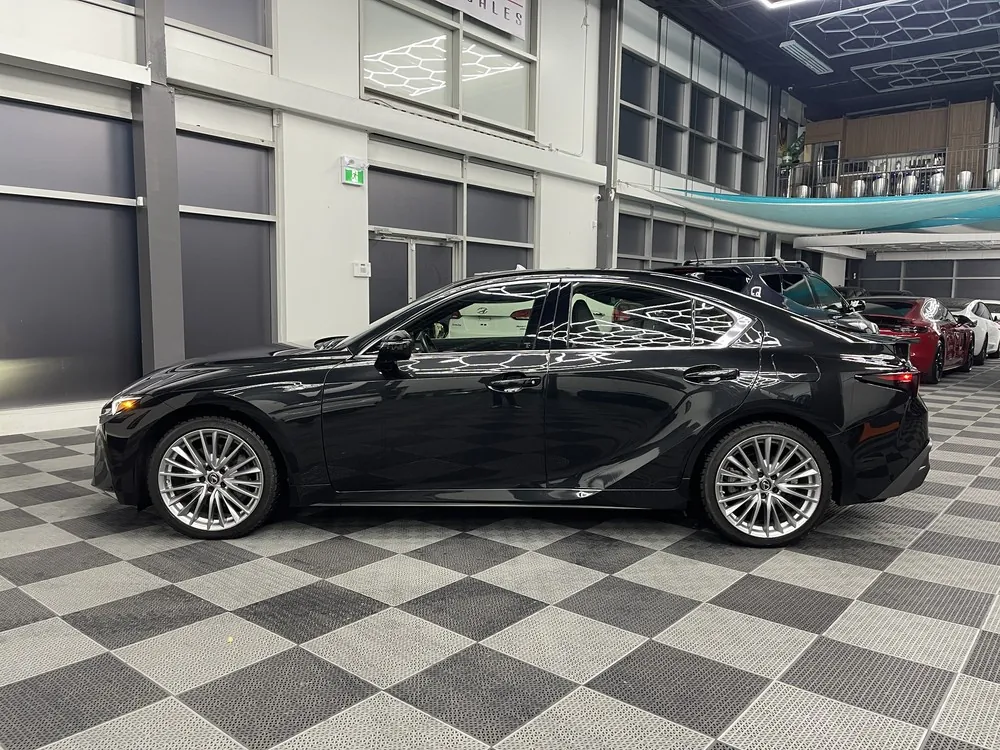
Narrow down to two or three models that fit how you drive, then compare actual listings with similar kilometres, trim and drivetrain. A sedan and an SUV with the same price tag can differ a lot in tire and brake costs, so compare the whole picture. Browsing SUVs and sedans side by side is a fast way to see where the value sits.
Check open recalls too. Transport Canada keeps a recall database you can search by make, model and year, and manufacturers offer a VIN lookup for recalls on a specific vehicle. An open recall isn't a deal-breaker, but you want it fixed, and the fix is done at a brand dealer.
Step 3: Pull the history and check for liens
Run the VIN through a vehicle history report. A CARFAX Canada report covers reported accidents and damage, registration history across provinces, branding such as salvage or rebuilt, and stolen-vehicle checks. A lien check is available as an add-on. Our CARFAX Canada guide explains how to read one.
In a private sale, the seller is legally required to give you a Used Vehicle Information Package (UVIP) (see Ontario's guide to buying or selling a used vehicle). It shows the car's Ontario registration history and any registered liens or debt. A lien means a lender may still have a claim on the car, so don't hand over money until it has been discharged. Also confirm:
- The VIN on the car (dashboard and door jamb) matches the VIN on the ownership permit and the UVIP.
- The person selling is the registered owner shown on the permit.
- The odometer reading roughly matches the history.
Step 4: Inspect it and drive it
Do a cold start and a test drive on both city streets and highway. Our test drive checklist walks through what to look, listen and smell for.
Then get a pre-purchase inspection from a mechanic you choose. Ontario's own buying guidance recommends having a mechanic inspect the vehicle before you buy. Ask them to put it on a hoist and look at the underbody, brake lines, subframe and suspension mounts. After years of Ontario road salt, rust underneath matters more than a shiny paint job.
Step 5: Confirm the Safety Standards Certificate
You can't transfer a used vehicle to a new owner or put plates on it without a Safety Standards Certificate (SSC). Only an MTO-licensed inspection centre can issue one, and it's valid for 36 days after the inspection.
Two things to understand:
- An SSC is a minimum-standards check on the day of inspection. Ontario states plainly that it is not a warranty or guarantee of the vehicle's condition.
- A car sold without one (sometimes called "as is" or "unfit") means you pay to bring it up to standard before you can plate it. That can be a few hundred dollars or a few thousand.
More detail in our Safety Standards Certificate guide.
Step 6: Get the paperwork right
From a private seller, you need:
- The vehicle permit, with the Application for Transfer section completed and signed.
- The UVIP.
- A bill of sale with the VIN, make, model, year, body type, colour, purchase price, both parties' names and addresses, signatures and the date. It must be an original, but it can be handwritten.
- The Safety Standards Certificate, if the car is being sold certified.
From a dealer, you sign a bill of sale (purchase agreement). Read it line by line before signing. Required disclosures, such as past daily-rental use, accident repairs over $3,000, or out-of-province history, must be written on the contract. Verbal assurances don't count. There is no cooling-off period in Ontario once you sign, so ask your questions before the pen comes out.
Step 7: Insurance, registration and plates before you drive away
- Insurance first. You need proof of insurance to register the car. Call your insurer with the VIN a day or two before pickup so coverage starts the day you take it.
- Plates stay with people, not cars. In Ontario the seller keeps their plates. You either use plates you already own or get new ones when you register.
- Register within 6 days (private sale). Go to a ServiceOntario centre with proof of insurance, your Ontario driver's licence, the UVIP, the bill of sale, the permit and the safety certificate. You pay the 13% retail sales tax there.
- Renewals. Plate renewal for passenger vehicles is now free and stickers are gone, but you still have to renew on schedule.
At a dealer, registration is usually done for you. At Flat 6ix Club, for example, the team handles the paperwork and cars leave fully registered.
Dealer vs private sale: what changes
| OMVIC-registered dealer | Private seller | |
|---|---|---|
| Advertised price | All-in except HST and licensing | Whatever they write |
| Tax | 13% HST on the bill of sale | 13% RST paid at ServiceOntario |
| Written disclosures | Required by law | Not required beyond the UVIP |
| Cancellation for certain non-disclosures | Yes, within 90 days | No |
| Compensation Fund access | Yes | No |
| Paperwork and plates | Usually handled for you | You do it, within 6 days |
| Financing and trade-ins | Often available | No |
A private sale can be cheaper, but you give up protections under the Motor Vehicle Dealers Act. Watch for "curbsiders": unlicensed dealers posing as private sellers. If the seller's name doesn't match the permit, or they have several cars listed, walk away. If you're replacing a car, weigh a trade-in against selling it yourself before you shop.
Your next step
Start with the budget, then look at real cars with real numbers. Flat 6ix Club's indoor showroom at 190 Millway Ave in Vaughan, a short walk from Vaughan Metropolitan Centre subway, is open Monday to Friday, 9am to 9pm. Prices are plus HST and licensing, trade-ins are welcome, and financing is available for all credit situations. Browse the current inventory or call (416) 999-5939 before you come in.
Common questions
How long do I have to register a used car in Ontario?
In a private sale you must register as the new owner at a ServiceOntario centre within 6 days of the purchase. Bring proof of insurance, your Ontario driver's licence, the UVIP, the bill of sale, the signed permit and the Safety Standards Certificate. When you buy from a dealer, the dealer normally completes the registration as part of the sale.
Do I pay tax on a privately bought used car in Ontario?
Yes. You pay 13% retail sales tax at ServiceOntario when you register, based on the purchase price or the wholesale value, whichever is higher. If you paid less than wholesale, you can get an appraisal. A gift between close family members can be exempt with a sworn statement.
Can I cancel a used car purchase in Ontario if I change my mind?
No. Ontario has no cooling-off period for vehicle purchases. Dealer contracts can be cancelled within 90 days of delivery only in specific cases, such as when the dealer failed to disclose past rental, taxi or police use, the true distance travelled, or a salvage or rebuilt brand.
Is a Safety Standards Certificate a guarantee the car is in good shape?
No. It confirms the car met minimum safety standards on the day it was inspected, and it's valid for 36 days. It is not a warranty. Get your own pre-purchase inspection and keep a repair cushion in your budget.
Do I need my own plates when buying a used car?
Plates belong to the owner, not the vehicle, so the seller keeps theirs. If you already have plates from a car you're replacing, they can go on the new one at registration; otherwise you'll get new plates when you register.